-
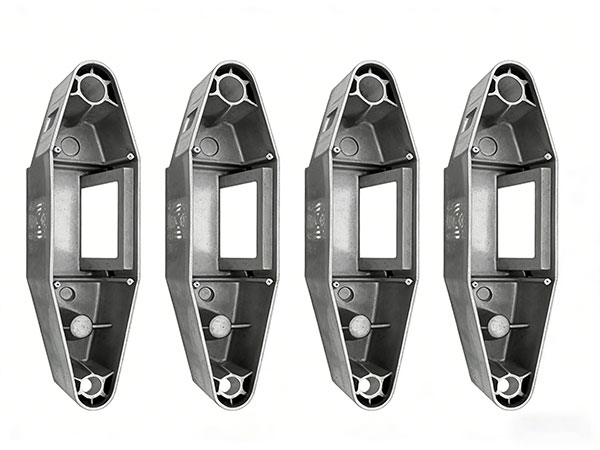
A Strategic Guide to Die-Casting Material Selection: Magnesium vs. Aluminum
2626-01-131. Beyond Weight and Strength: Core Characteristics Shaping Design OutcomesChoosing between magnesium and aluminum for die-casting is a pivotal design decision that exerts a profound impact on product performance, manufacturing economics, a···
Read More -
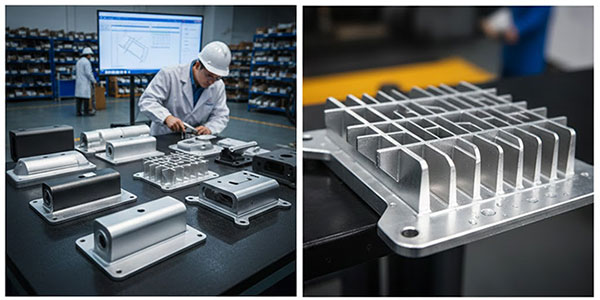
Enhancing EV Infrastructure: Why High-Precision Die Casting is Indispensable for NEV Charging Components
2626-01-13As the global automotive industry accelerates its transition to New Energy Vehicles (NEVs), the demand for robust, reliable, and high-performance charging infrastructure has reached unprecedented heights. At the core of this transformative ···
Read More -
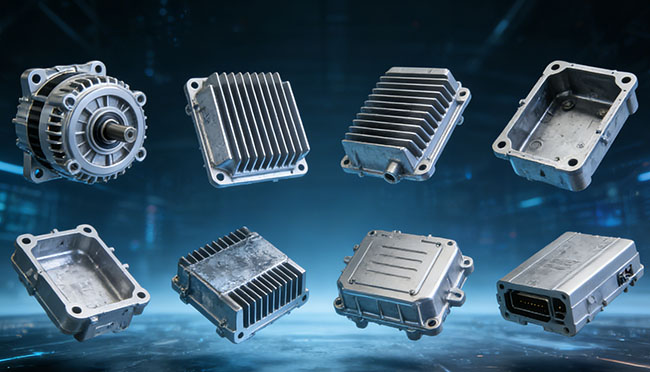
Enchuang Technology: Professional Aluminum Alloy Die Casting Solutions
2626-01-02Enchuang Technology Co., Ltd. is a professional manufacturer dedicated to aluminum alloy die casting, boasting a comprehensive production capacity and rich industry experience. Equipped with over 20 sets of advanced aluminum alloy die casti···
Read More -
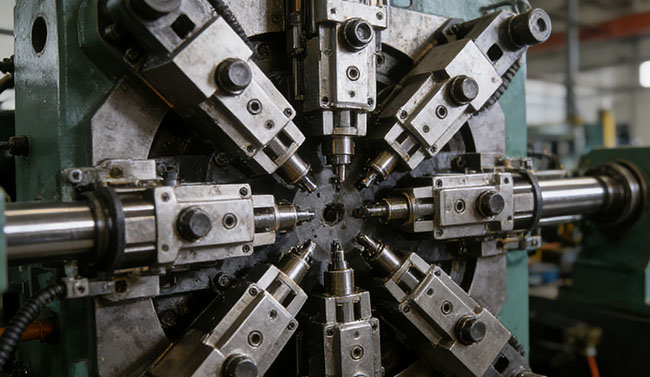
Zinc Alloy Die Casting: Technology, Production & Advantages
2626-01-02Overview of Zinc Alloy Die CastingDie casting is a precision metal forming process defined by the use of a steel mold cavity to exert high pressure on molten metal. The core process involves heating metal to a molten state, rapidly filling ···
Read More -
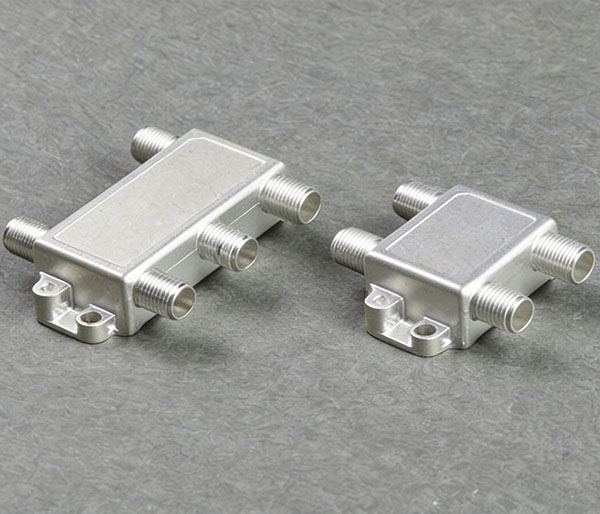
What are the challenges in the die-casting process for zinc alloy components?
2525-12-10I. Process Limitations Due to Material PropertiesLow Melting Point but Prone to “Burn-off”Zinc alloys have a low melting point of only 380-420°C. During die casting, temperatures slightly above 450°C cause zinc vaporization and alloy co···
Read More

Quality is gold, Integrity is the source, Harmony is fortune.
-
E-mail
sz@jyfwj.com
-
Online Support
0755-89930705
-
Mon - Sat 8.00 - 18.00
Sunday Closed