
A Strategic Guide to Die-Casting Material Selection: Magnesium vs. Aluminum
Time :2026-01-13 Hits:1011
1. Beyond Weight and Strength: Core Characteristics Shaping Design Outcomes
Choosing between magnesium and aluminum for die-casting is a pivotal design decision that exerts a profound impact on product performance, manufacturing economics, and long-term market competitiveness. This choice extends far beyond basic material specifications, encompassing a suite of critical functional attributes that define real-world application value. At the forefront is magnesium’s decisive 30% weight advantage over aluminum—a substantial density reduction that translates to tangible lifecycle benefits. These include lower shipping costs (critical for high-volume consumer electronics), streamlined assembly processes (reducing labor time), and—most crucially—enhanced operational efficiency in weight-sensitive applications such as drones, professional cameras, and premium laptops, where mass optimization directly dictates performance limits and user experience.
The mechanical performance landscape reveals nuanced trade-offs: while aluminum alloys (e.g., ADC12, A380) typically offer superior hardness and yield strength, making them ideal for load-bearing components, magnesium stands out with exceptional toughness and impact energy absorption. This unique property allows magnesium components to deform plastically under stress rather than fracturing catastrophically—a critical advantage for consumer electronics (e.g., smartphone frames, laptop casings) prone to accidental drops, where durability directly influences product reliability and brand reputation.
In thermal and electromagnetic performance, magnesium further differentiates itself. Its marginally superior thermal conductivity enables efficient passive heat dissipation in compact, high-power devices such as LED housings and EV fast-charger casings, potentially eliminating the need for costly active cooling systems (e.g., fans) and reducing overall design complexity. Simultaneously, magnesium’s excellent electrical conductivity transforms its housings into inherent electromagnetic interference (EMI) shields, safeguarding sensitive internal electronics in wireless devices (e.g., 5G-enabled equipment). By contrast, aluminum can only achieve comparable EMI shielding by adding extra material layers, which undermines weight reduction goals and increases production costs.
2. From Mold to Final Part: How Manufacturing Realities Define Total Cost of Ownership
A holistic cost assessment for die-casting applications must transcend raw material per-kilogram pricing to encompass the full manufacturing lifecycle—where process-specific advantages of magnesium and aluminum significantly redefine total cost of ownership (TCO). Magnesium offers distinct process benefits during die-casting: its lower melting point (approximately 650°C, compared to 700°C+ for aluminum) reduces thermal stress on molds, extending mold service life by 15-20% (based on industry averages) and lowering tooling amortization costs over high-volume production runs.
Moreover, magnesium’s superior fluidity enables precise filling of intricate, thin-walled geometries with wall thicknesses as low as 0.5 mm—a capability that aluminum struggles to match. Aluminum typically requires a minimum wall thickness of 1.0 mm for consistent filling, limiting design flexibility for ultra-slim, lightweight products such as portable EV chargers and tablet casings. This thin-wall advantage of magnesium also translates to material savings, as less raw material is needed to produce components of equivalent structural rigidity.
Post-casting processing further amplifies magnesium’s cost. Its inherent machinability—characterized by lower cutting forces and reduced tool wear—enables faster machining cycles (up to 25% quicker than aluminum) and lowers secondary processing costs. When these factors—extended mold life, material savings from thin walls, reduced machining expenses, and weight-based logistics efficiencies—are aggregated, the initial premium of magnesium ingots (typically 10-15% higher than aluminum) is frequently offset.
In high-volume production (e.g., millions of units annually), the total landed cost of magnesium components can be comparable to or even 10% lower than their aluminum equivalents. Consequently, material selection should be tightly aligned with application priorities: magnesium excels in scenarios where lightweight design, thermal management efficiency, thin-wall precision, and inherent EMI shielding are non-negotiable (e.g., consumer electronics, portable medical devices, and compact EV charging accessories). Aluminum remains the preferred choice for high-load structural applications where weight constraints are less critical—such as automotive chassis components, heavy-duty industrial enclosures, and large-scale power converter housings—where its superior hardness and yield strength deliver essential durability.
NEXT:没有了!
Related News
- A Strategic Guide to Die-Casting Material Selection: Magnesium vs. Aluminum
- Enhancing EV Infrastructure: Why High-Precision Die Casting is Indispensable for NEV Charging Components
- Enchuang Technology: Professional Aluminum Alloy Die Casting Solutions
- Zinc Alloy Die Casting: Technology, Production & Advantages
- What are the challenges in the die-casting process for zinc alloy components?
- Surface Treatment Methods for Die-Cast Aluminum Alloys
- Thermal Performance of Aluminum Alloy Die-Cast Lamp Housings
- How Zinc Alloy Die Casting Delivers High Precision in Modern Manufacturing
Related Product
-
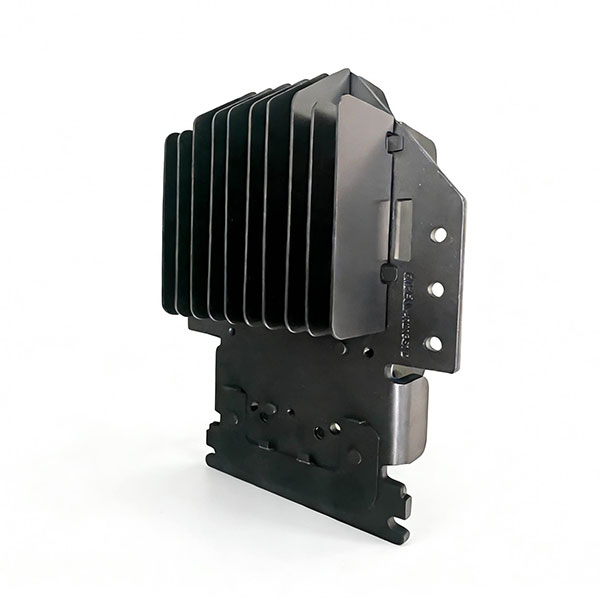
Automotive Power Amplifier / Amplifier Module Die-Cast Heat Sink Housing Die-Casting Factory
-
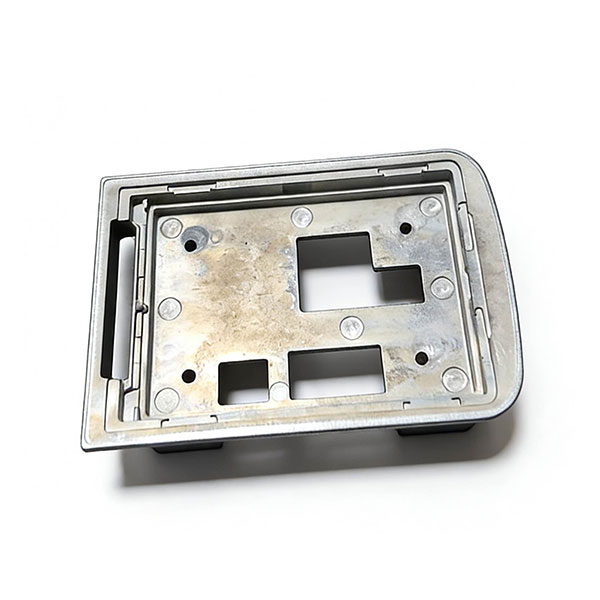
Die-Cast Housing Factory for Automotive Electronic Control Units (ECUs)
-
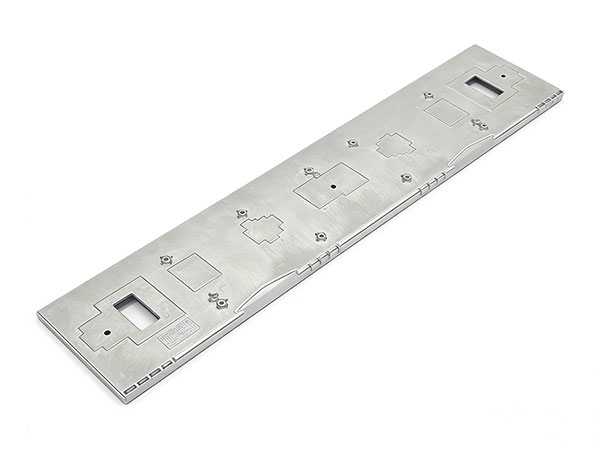
Automotive Energy Storage / In-Vehicle System Aluminum Alloy Integrated Base Plate Die-Cast Component
-
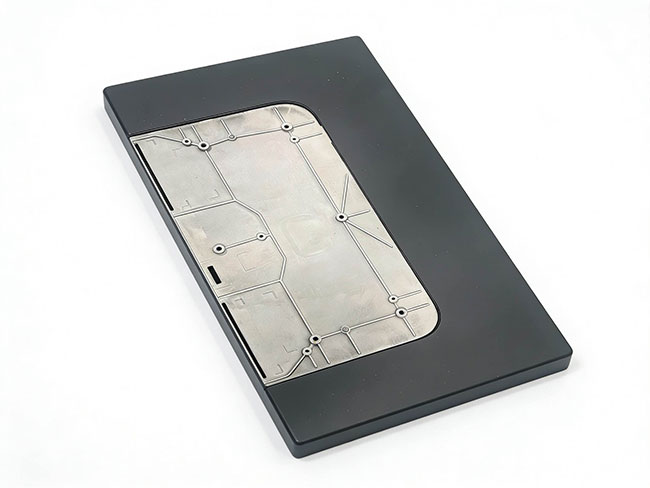
VC Vapor Chamber Integrated Housing for Automotive Center Display